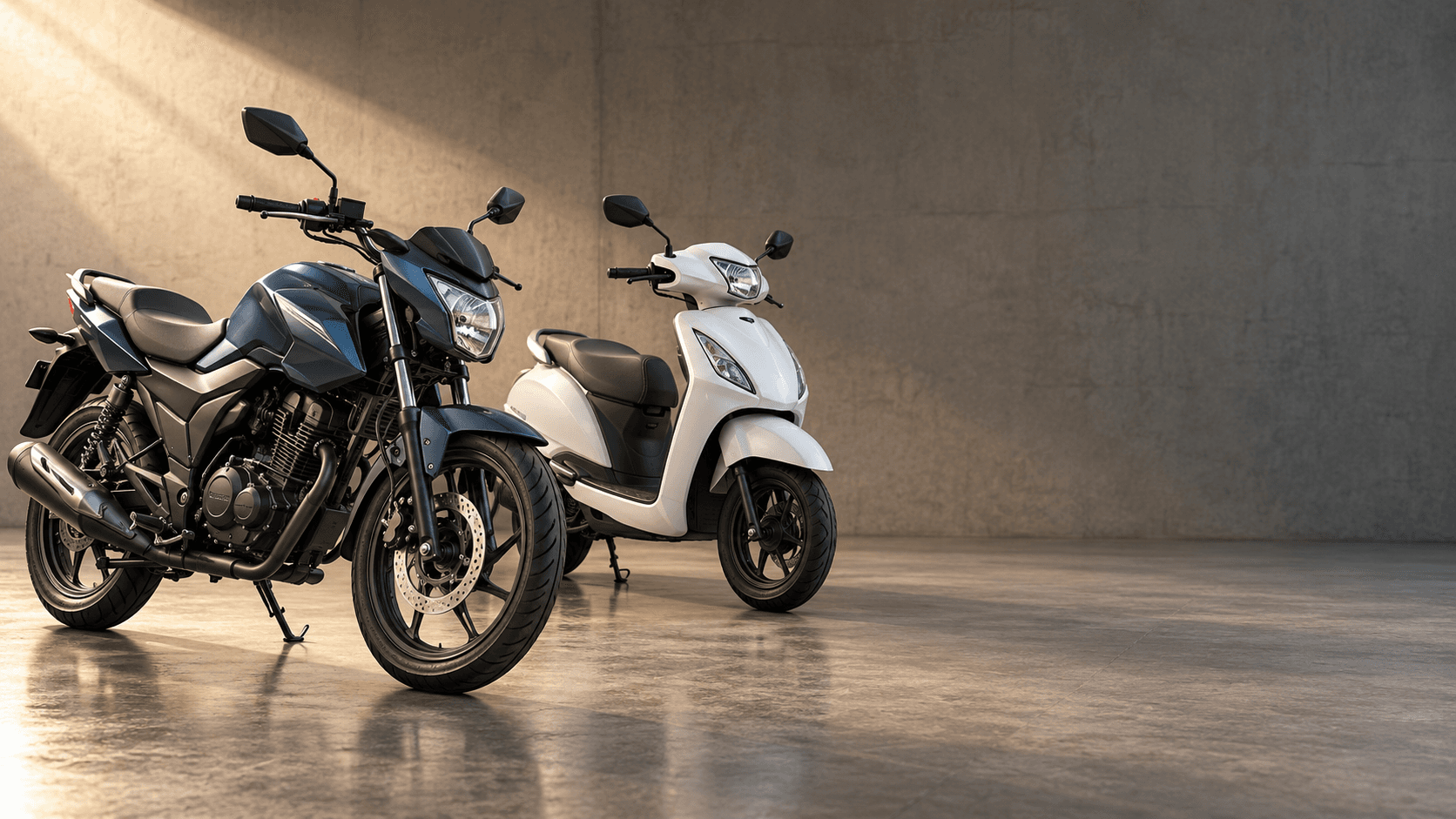

2-Wheeler
JK Fenner supports the 2-Wheeler sector with solutions across Automotive Aftermarket, Automotive OE and Industrial Products. The portfolio brings together products such as Single Cogged Variable Speed (Scooter) Belt, Double Cogged Variable Speed (Scooter) Belt, Electric 2W (EV) Timing Belt and Automotive Oil Seal (HOP Oil Seals), selected to meet demanding requirements for reliability, efficiency, durability and dependable performance.
Powering Everyday Mobility
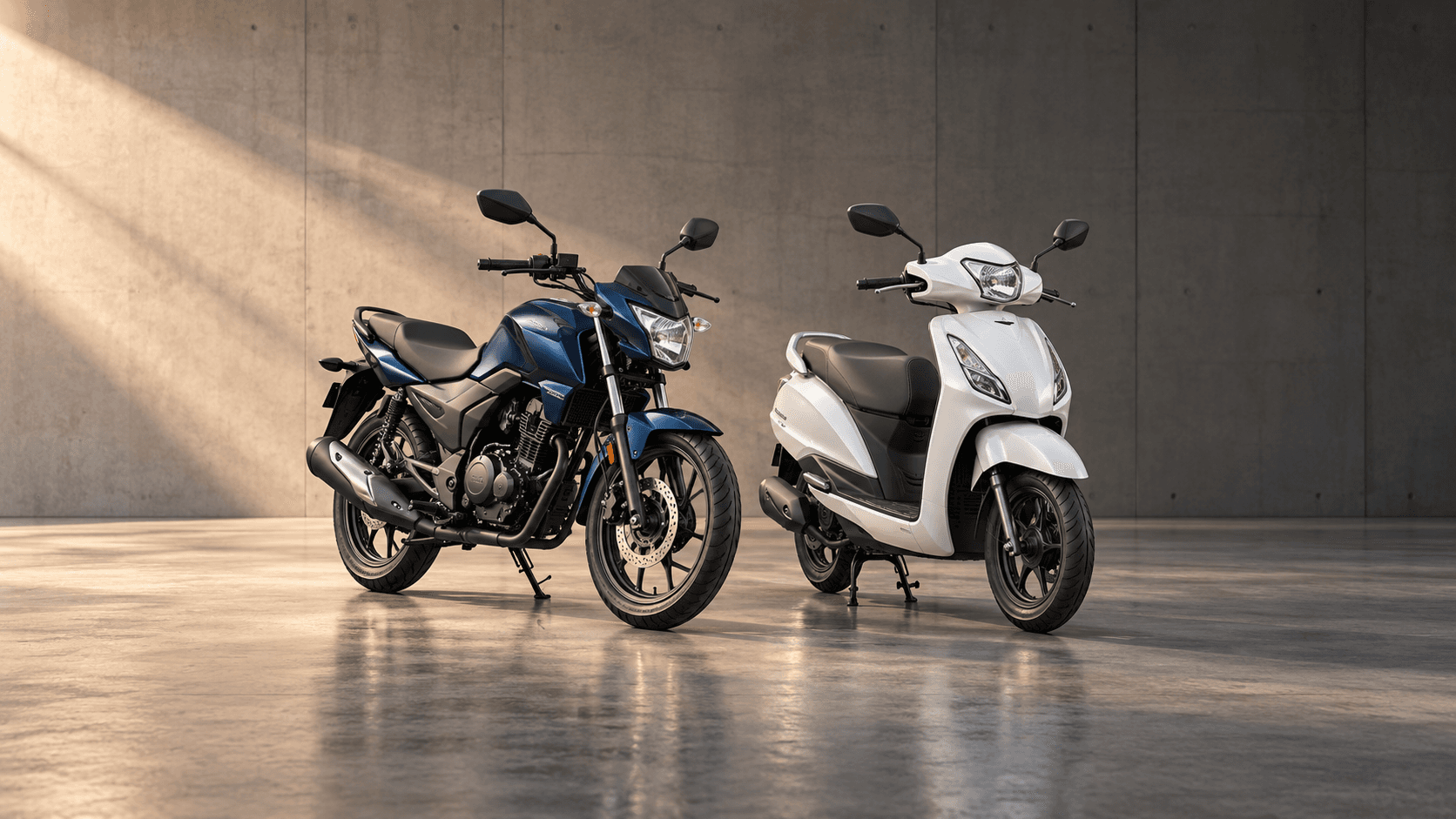
JK Fenner delivers precision drive and sealing solutions for two-wheelers that need to perform across varied roads and riding conditions. From CVT and power transmission belts to oil seals and hoses, we support scooters, motorcycles and electric two-wheelers with components built for efficiency and durability.
Built for Every Ride
Engineered for consistent performance across city traffic and open roads.
Efficient Power Delivery
Belts and drive components designed for smooth, responsive transmission.
Across Two-Wheeler Platforms
Solutions for scooters, motorcycles and electric two-wheelers.
Products That Performin Every Season
Proven agricultural products trusted by farms, co-operatives, and equipment manufacturers across India and beyond.
View Full Catalogue
CNG Hose SAE J30 R6 & IS:15722
Low-pressure flexible hose for vehicle CNG systems.
Stretchy Poly-V Belt for 2-Point Drives
Stretch Poly-V belt that removes the tensioner on 2-point drives.
Poly-V Belt for Serpentine Drives
Poly-V belt driving all engine accessories in one serpentine loop.
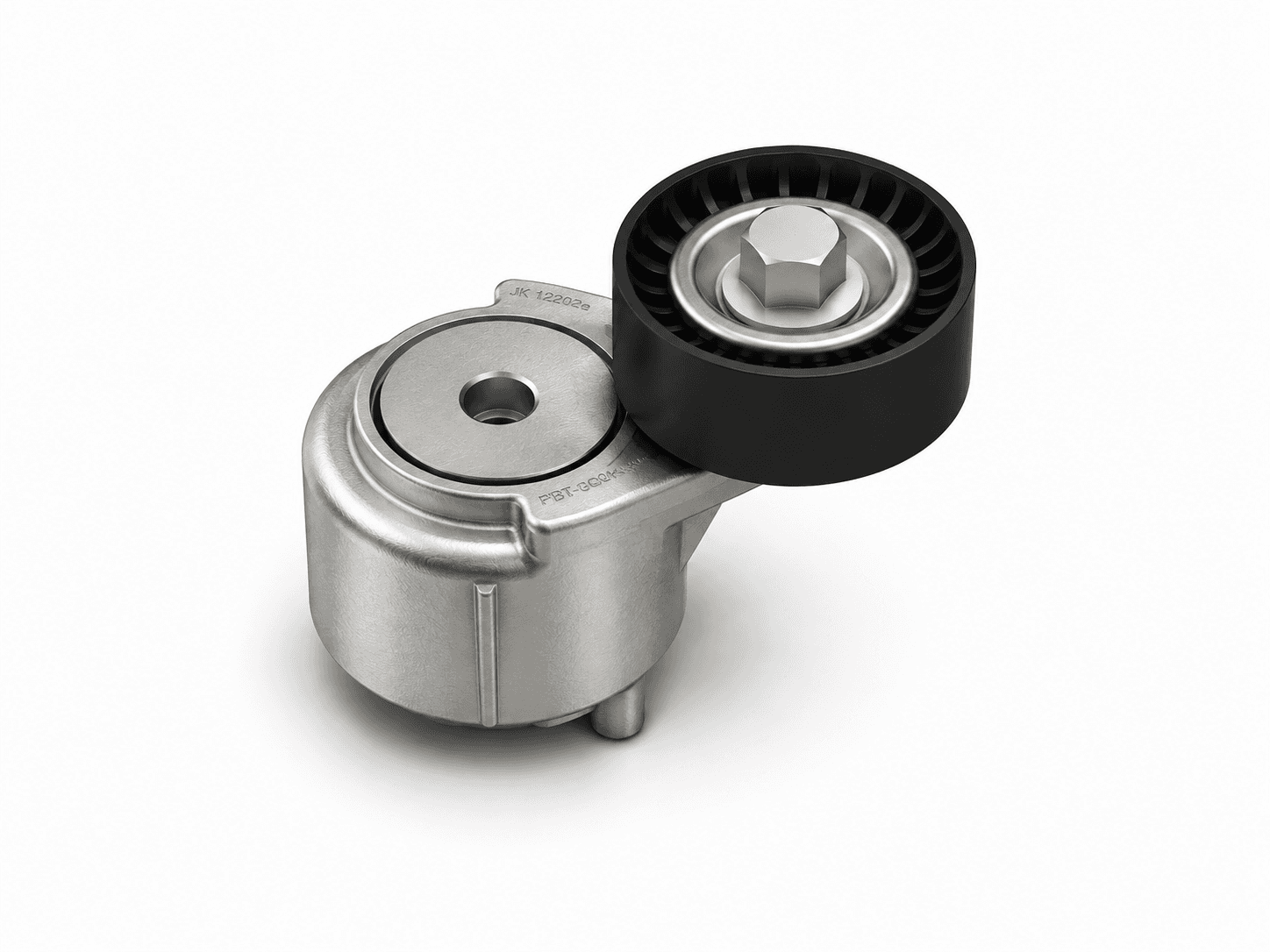
Gen 1 & 2 Auto Tensioner
Spring-loaded tensioner keeping serpentine belt tension constant.
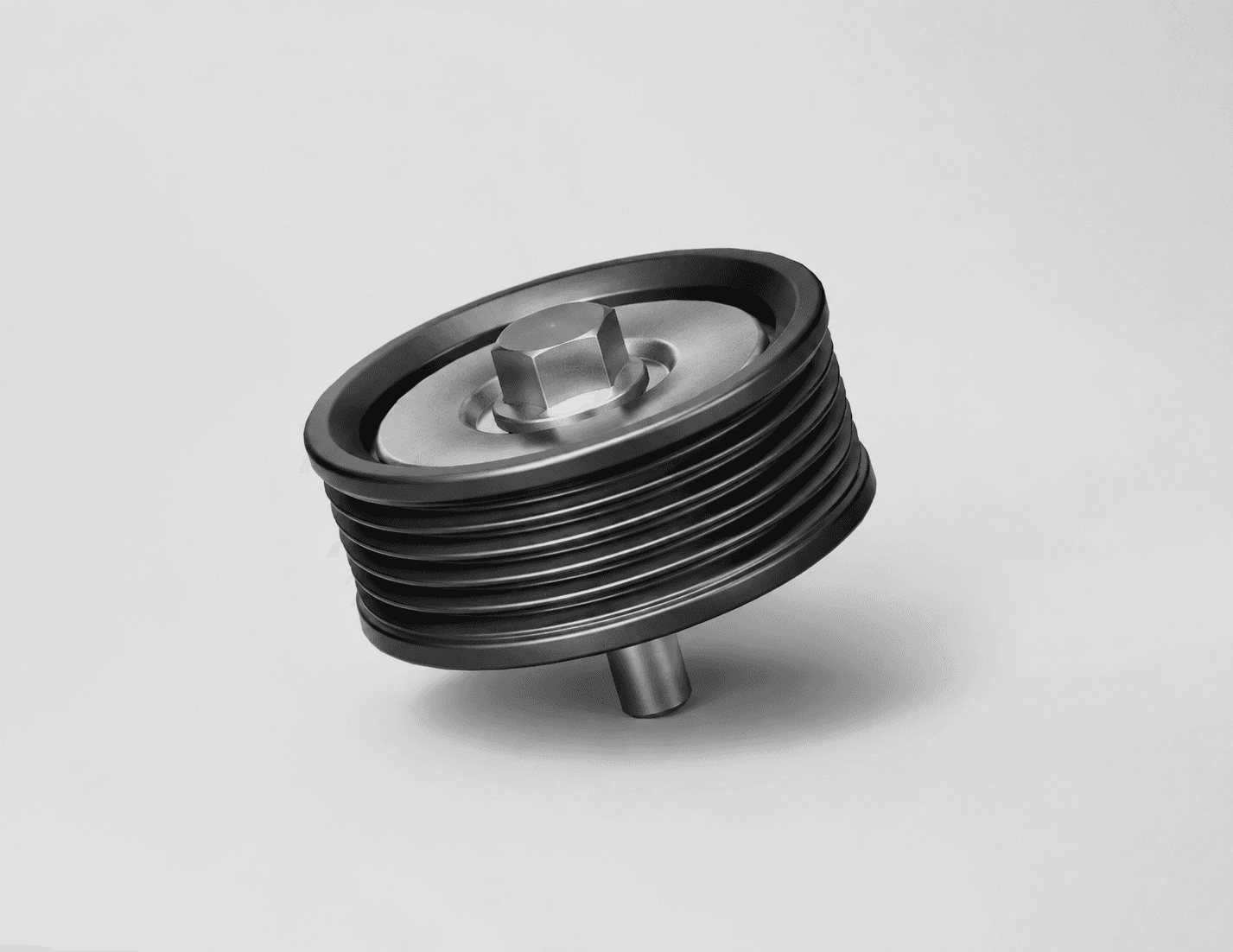
Idler Assembly
Idler pulley guiding the serpentine belt, in plastic, steel or grooved.
CVT Belt – Single Cogged (2-Wheeler / PV)
Single-cogged CVT belt for scooters and passenger vehicles.