
Electric Mobility & EV
JK Fenner supports the Electric Mobility & EV sector with solutions across Automotive Aftermarket, Automotive OE and Engineering Products. The portfolio brings together products such as Single Cogged Variable Speed (Scooter) Belt, Double Cogged Variable Speed (Scooter) Belt, Electric 2W (EV) Timing Belt and EV Drive Belt, selected to meet demanding requirements for reliability, efficiency, durability and dependable performance.
Accelerating Electric Mobility
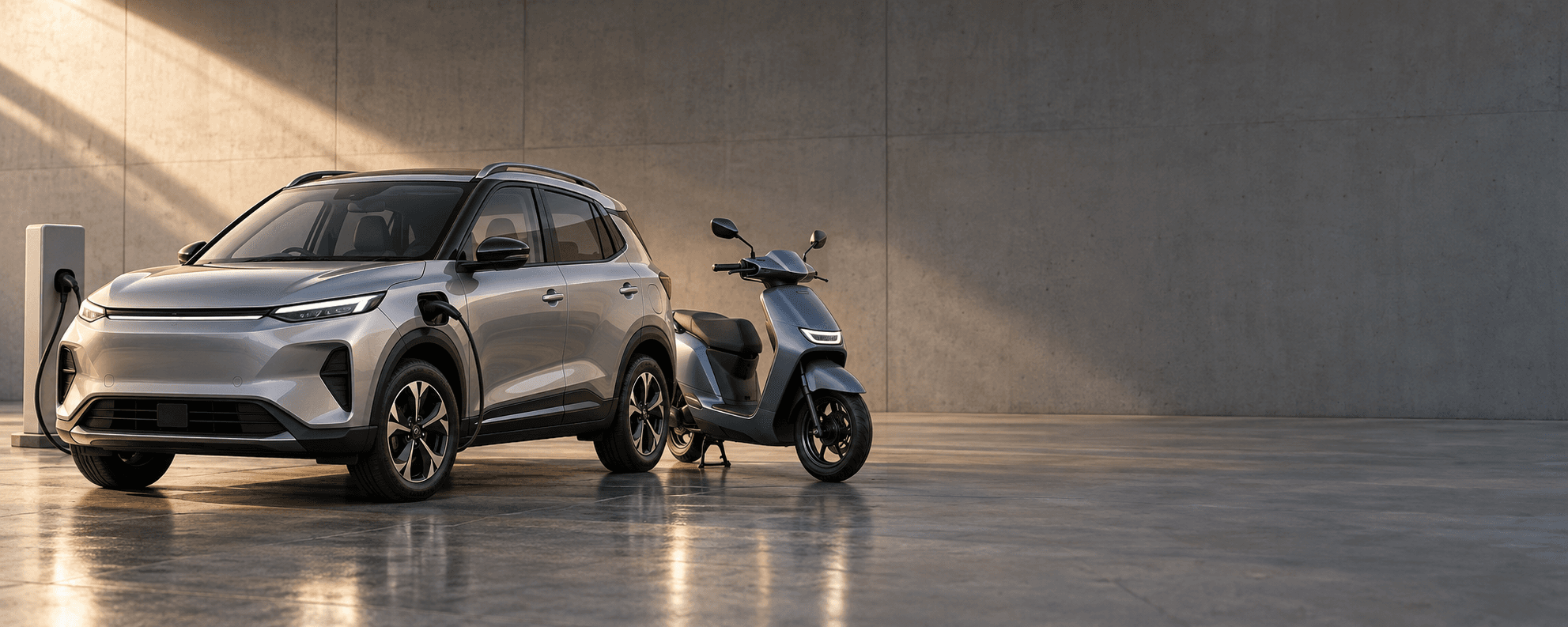
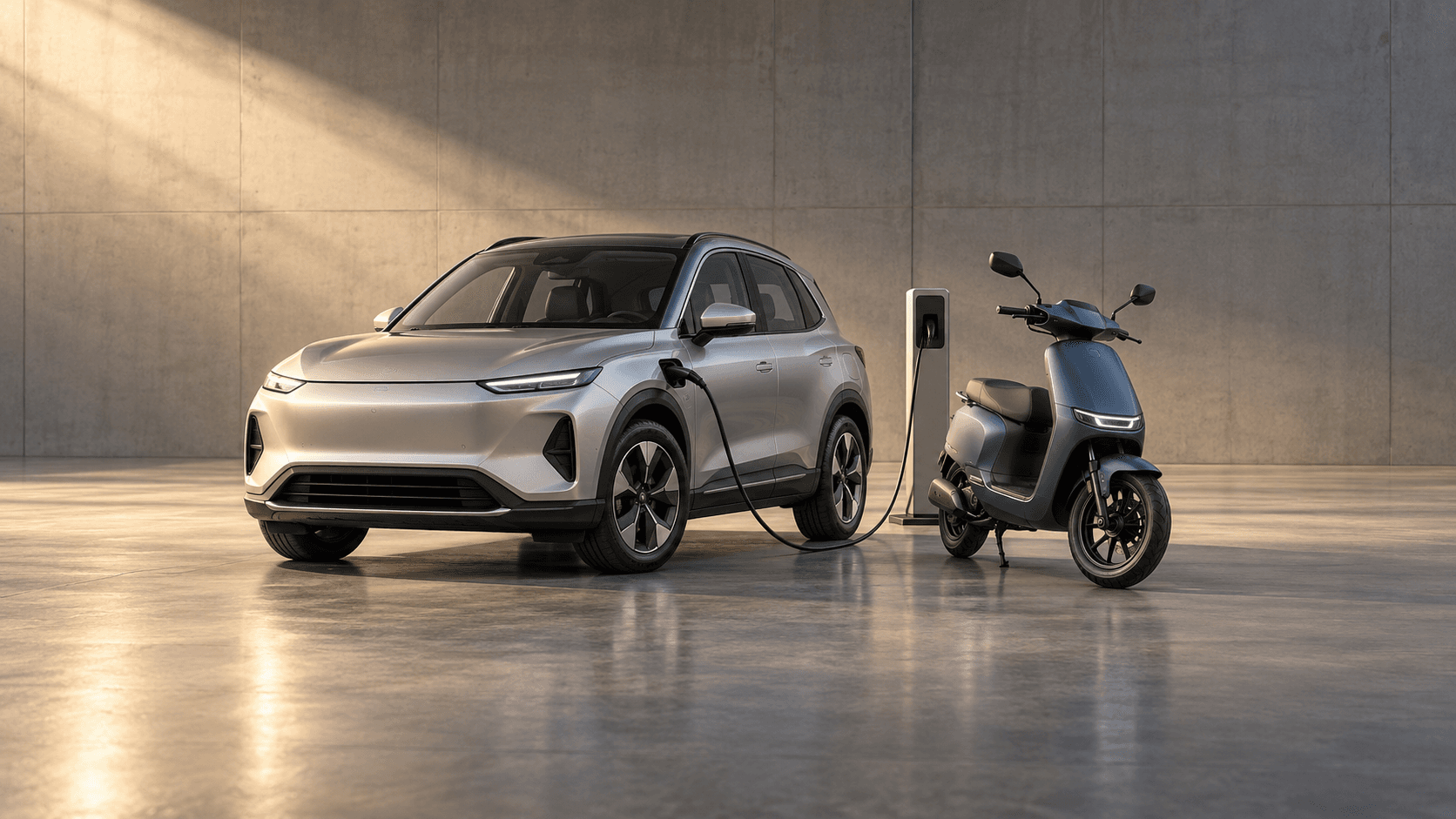
JK Fenner develops drive and sealing solutions that support the shift to electric mobility. From EV belt drives and motors to sealing and fluid transfer components, we help electric two-wheelers, three-wheelers and four-wheelers achieve efficient power delivery, thermal stability and long service life.
Built for Electric Drivetrains
Engineered for the torque, speed and efficiency demands of EV platforms.
Efficient Power Delivery
Belt drives and motors designed to maximise range and performance.
Across EV Segments
Solutions for electric two-, three- and four-wheeler applications.
Products That Performin Every Season
Proven agricultural products trusted by farms, co-operatives, and equipment manufacturers across India and beyond.
View Full Catalogue
EV Drive Belt
HNBR synchronous belt for EV drivetrains, with carbon or aramid cord options.
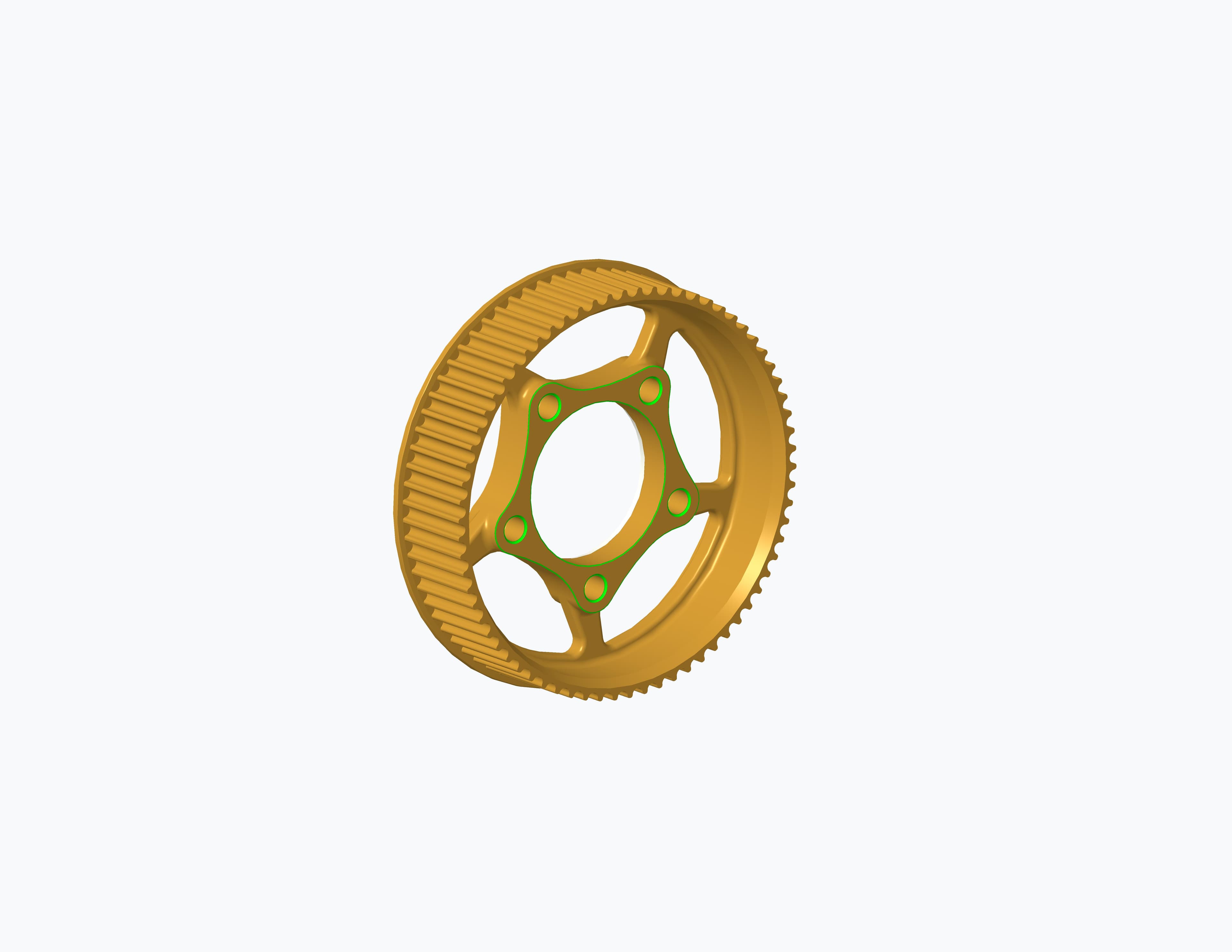
EV Sprocket – Front & Rear
Front and rear sprockets that carry motor power to the EV wheel.
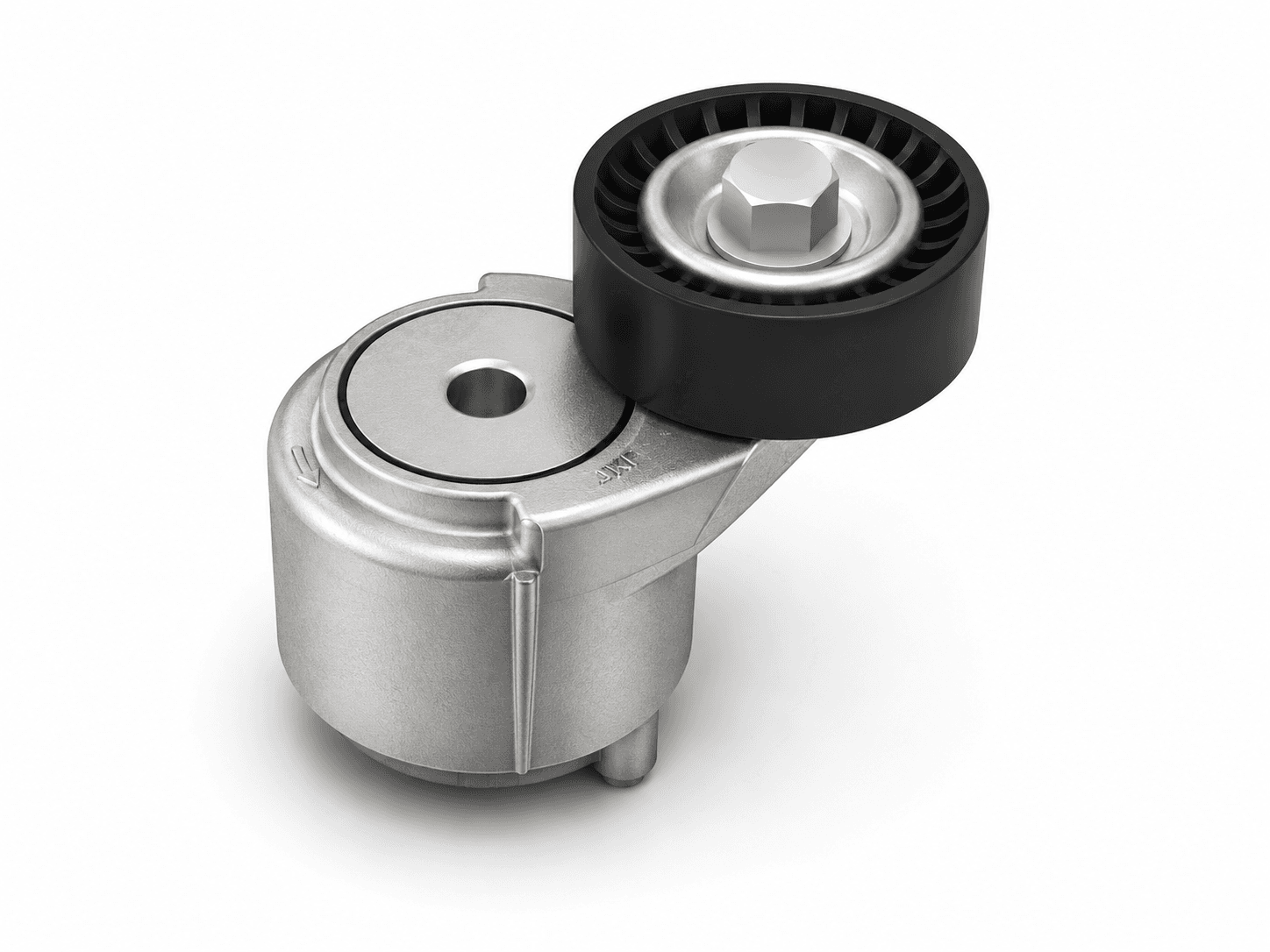
Manual Tensioner
Manual tensioner for setting and holding belt tension.
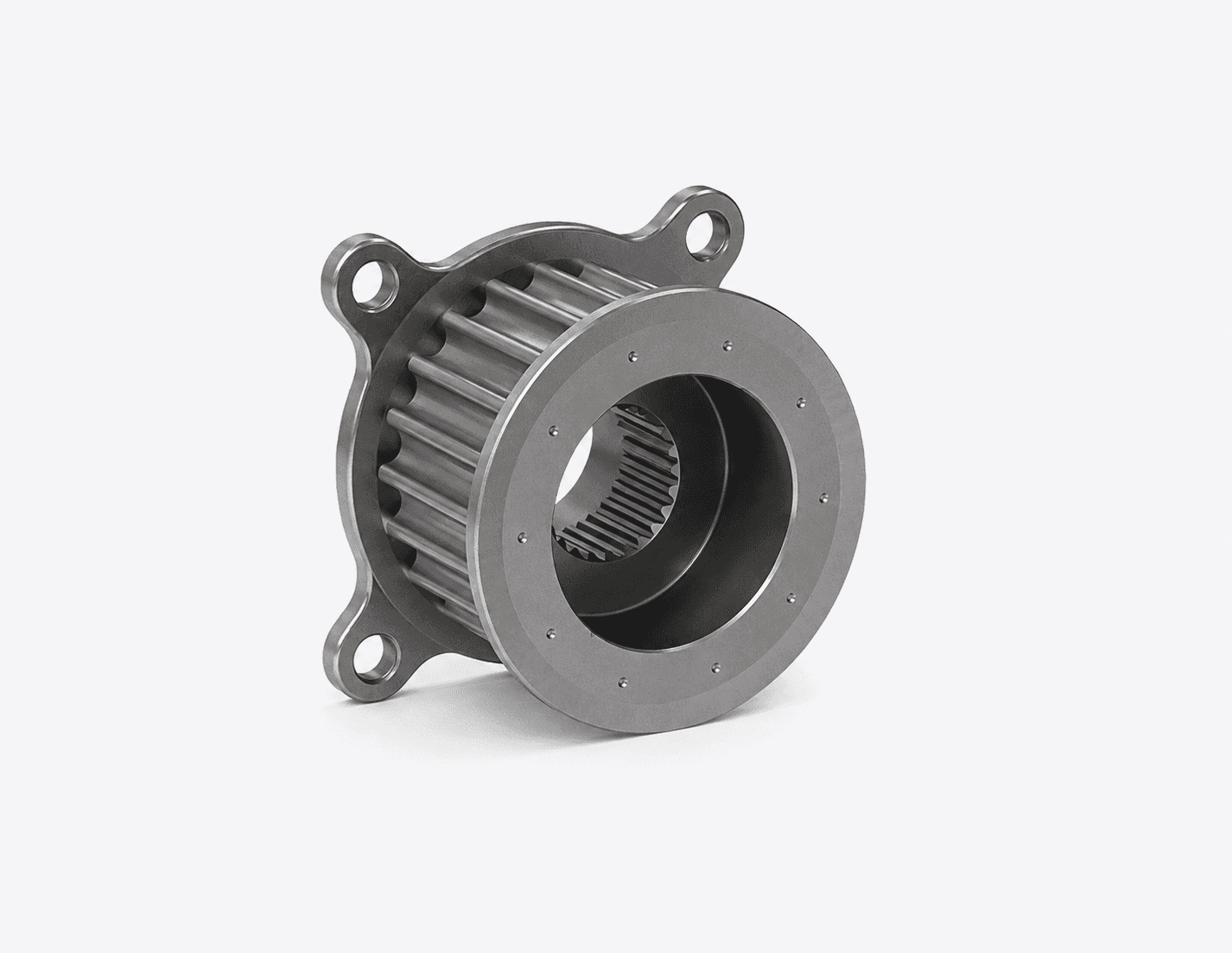
Mid-Drive Motor
High-efficiency BLDC/PMSM traction motor for electric 3-wheelers.
EV Controller
Mid-drive controller for electric 2W, 3W and 4W vehicles.
Gearbox
Mid-drive gearbox for electric 2W, 3W and 4W vehicles.