
Power Generation & Utilities
JK Fenner supports the Power Generation & Utilities sector with solutions across Automotive Aftermarket, Automotive OE, Engineering Products and Industrial Products. The portfolio brings together products such as Cogged Belt, Stretchy Poly-V Belt for 2-Point Drives, CVT Belt – Double Cogged (2-Wheeler / PV) and Power steering, selected to meet demanding requirements for reliability, efficiency, durability and dependable performance.
Powering Essential Infrastructure
JK Fenner provides power transmission, sealing and automation solutions for power generation and utility operations where reliability is critical. From industrial belts and seals to gearboxes, couplings and control systems, we support coal handling, auxiliary drives and plant equipment.
Built for Critical Operations
Engineered for high-availability plants where downtime is costly.
Dependable Performance
Components designed for long service life and consistent output.
Across Plant Systems
Solutions for coal handling, auxiliary drives and utility equipment.
Products That Performin Every Season
Proven agricultural products trusted by farms, co-operatives, and equipment manufacturers across India and beyond.
View Full CatalogueVariable Speed Cogged Belt
Wide cogged belt with high rigidity for variable speed drives.
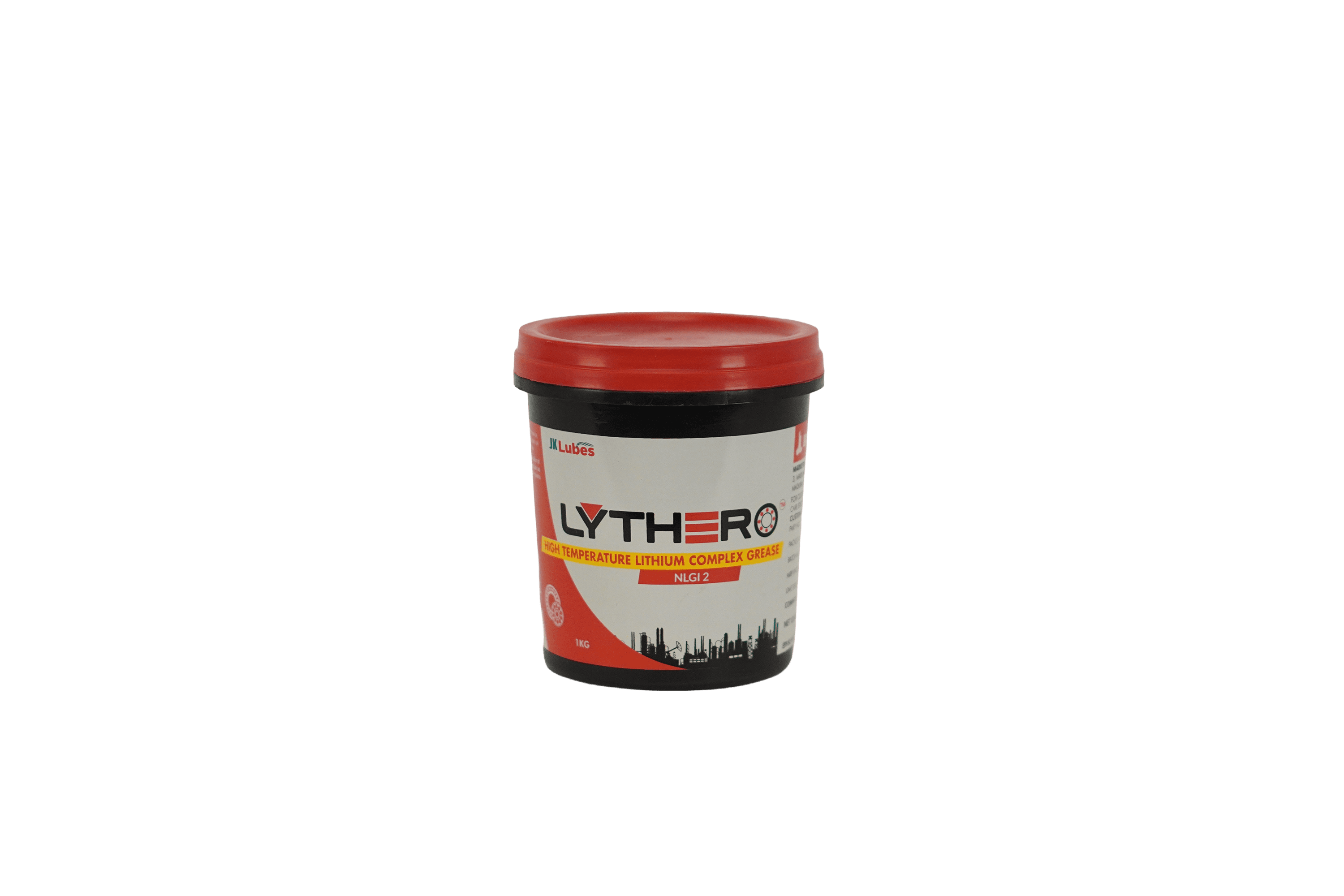
High Temperature Lithium Complex Grease
Lithium complex grease for high-temperature operation.
GyroEx EP Series Industrial Gear Oil ISO VG 150
ISO VG 150 heavy-duty oil for industrial gearboxes.
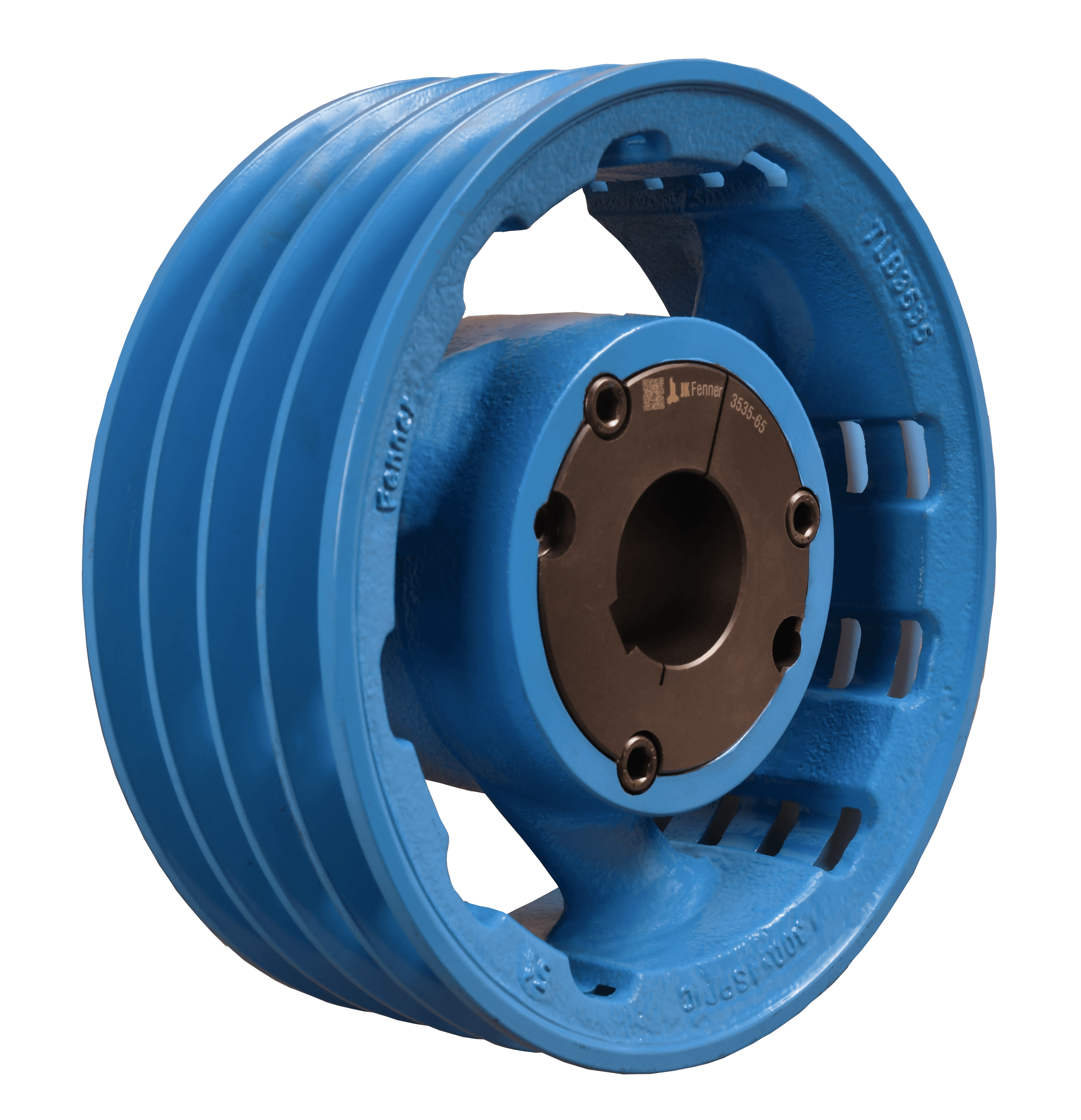
V Cool Pulley (VCoL)
Balanced SG iron V-belt pulley that extends belt and bearing life.
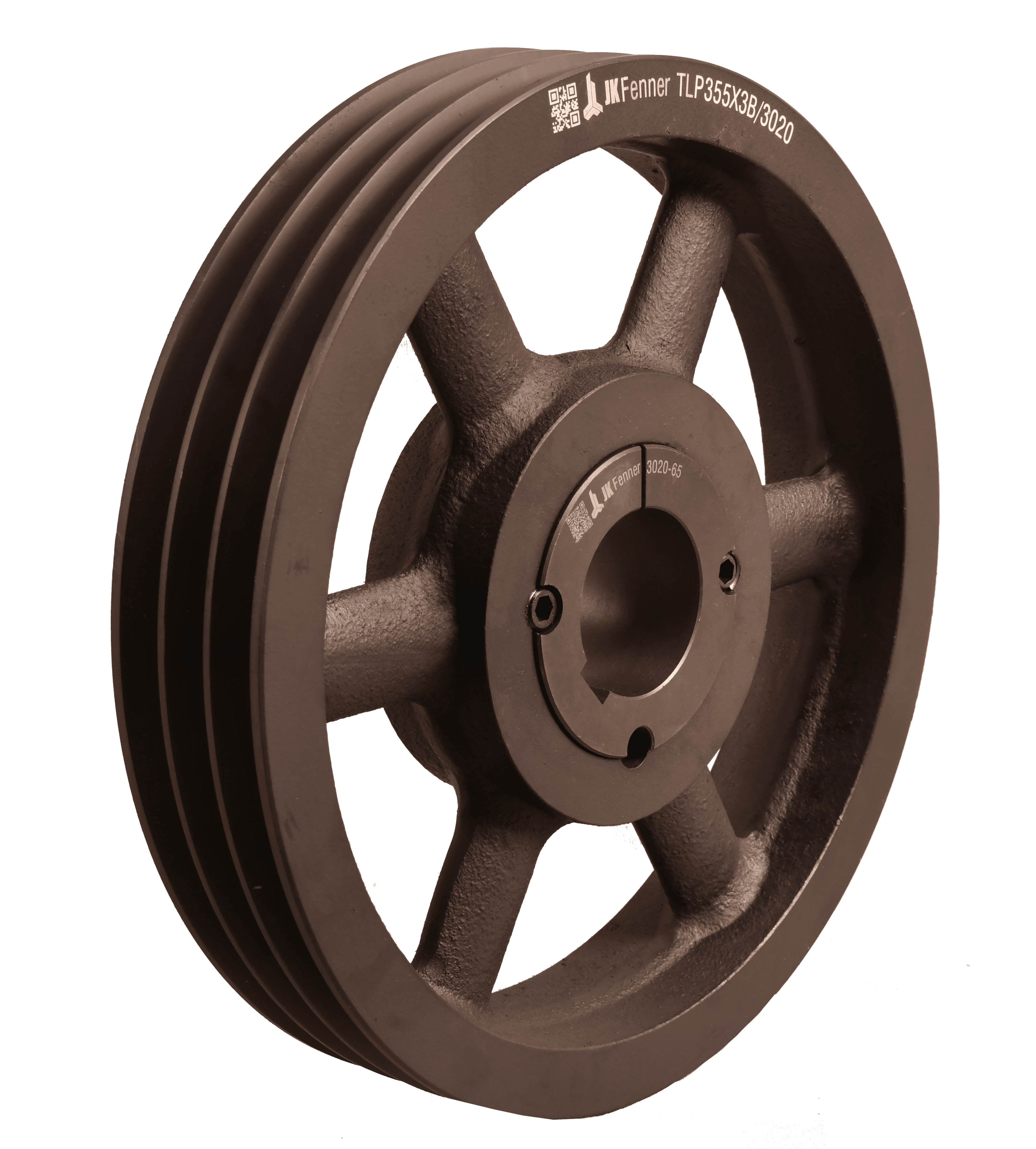
Taper-Lock Dual Duty Pulleys (Classical V / Wedge / Poly-V / Timing / HTD)
Taper-Lock pulleys for V, wedge, Poly-V, timing and HTD drives.

Essex Jaw Coupling
Easy-fit flexible coupling that absorbs shaft misalignment.