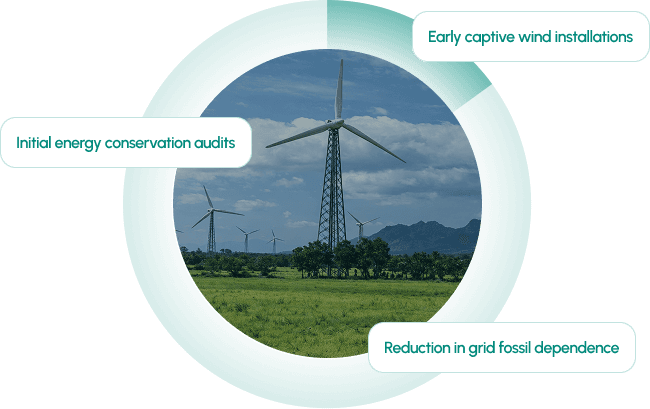
In 1994, JK Fenner commenced its investments in clean energy generation in Tamil Nadu, laying the foundation for decarbonised manufacturing decades before climate action became a global priority.
People. Planet. Progress.
Redefining power transmission through sustainable manufacturing, were innovation drives performance.
A Commitment BuiltOver Decades
Our sustainability journey has evolved over decades, beginning with early investments in green energy and expanding into a broader commitment encompassing energy, water, emissions, people, responsible sourcing and governance.
Leading with Purpose. Delivering for Tomorrow.
Our sustainability ambitions are supported by leadership commitment and accountability across the organisation.
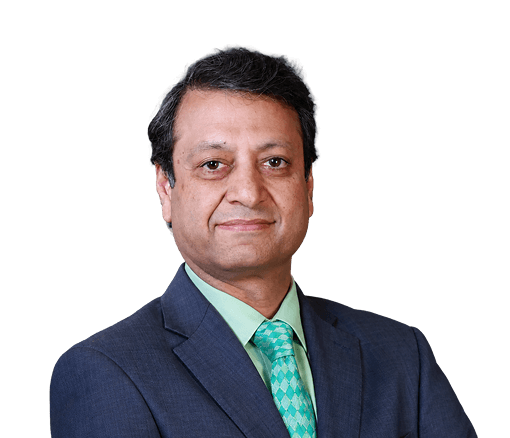
I am pleased to present JK Fenner’s third Sustainability Report for FY 2025–26, reaffirming our commitment to responsible growth and sustainable business practices. We continue to strengthen our ESG initiatives through resource efficiency, emissions reduction, employee well-being, and responsible governance. I extend my sincere gratitude to our stakeholders for their continued trust and partnership in building a sustainable and resilient future.
Vikramjit Singhania
Vice Chairman and Managing Director
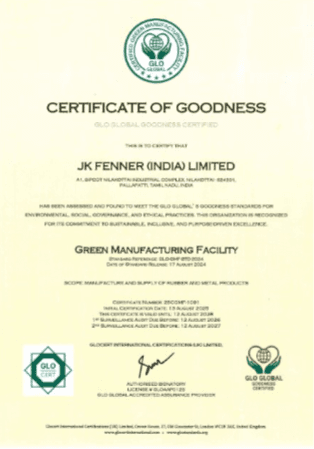
Our Green Manufacturing Facility
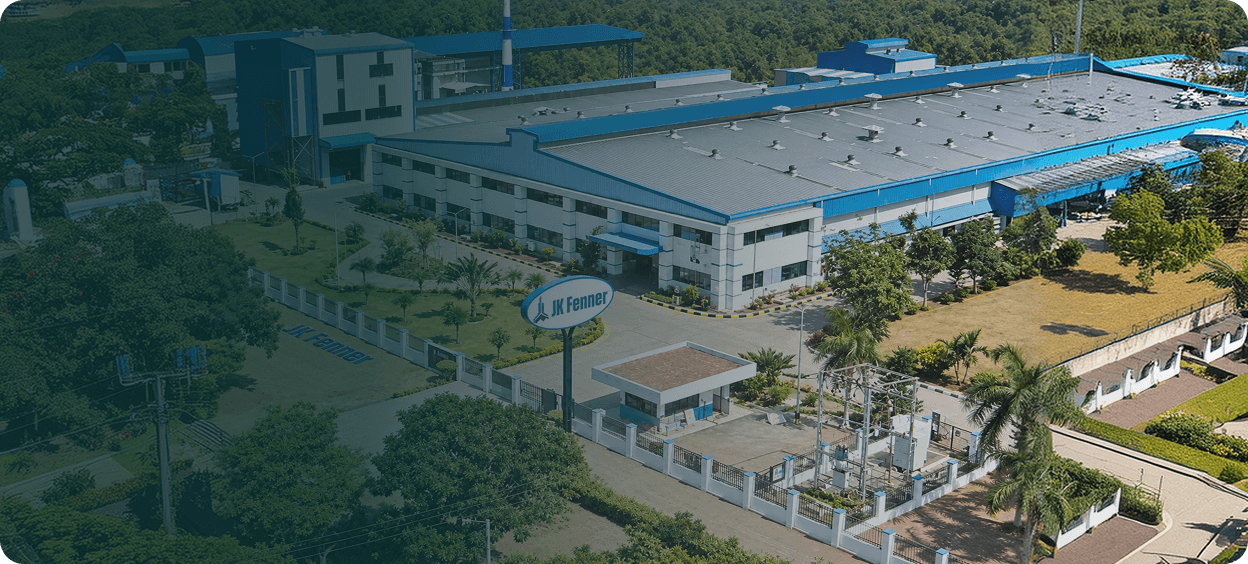
Our Automotive Facility at Nilakottai demonstrates how sustainability is being integrated into manufacturing operations through renewable energy, resource efficiency and continued environmental improvements.
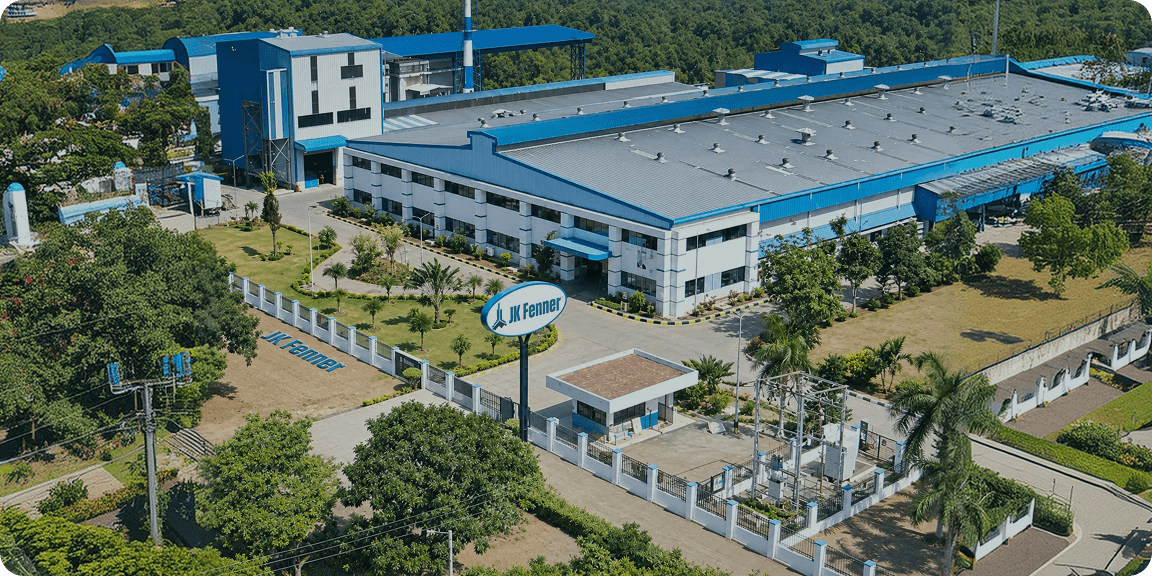
Certified green manufacturing Facility
Nilakottai plant, Tamil Nadu
10 Goals. One Directionto 2030.
Our ESG roadmap is defined by ten measurable goals across environmental stewardship, workplace responsibility, compliance, responsible sourcing and sustainable value creation.

Energy Management
11% reduction in Specific Energy Consumption
Achieved11%
Target20%
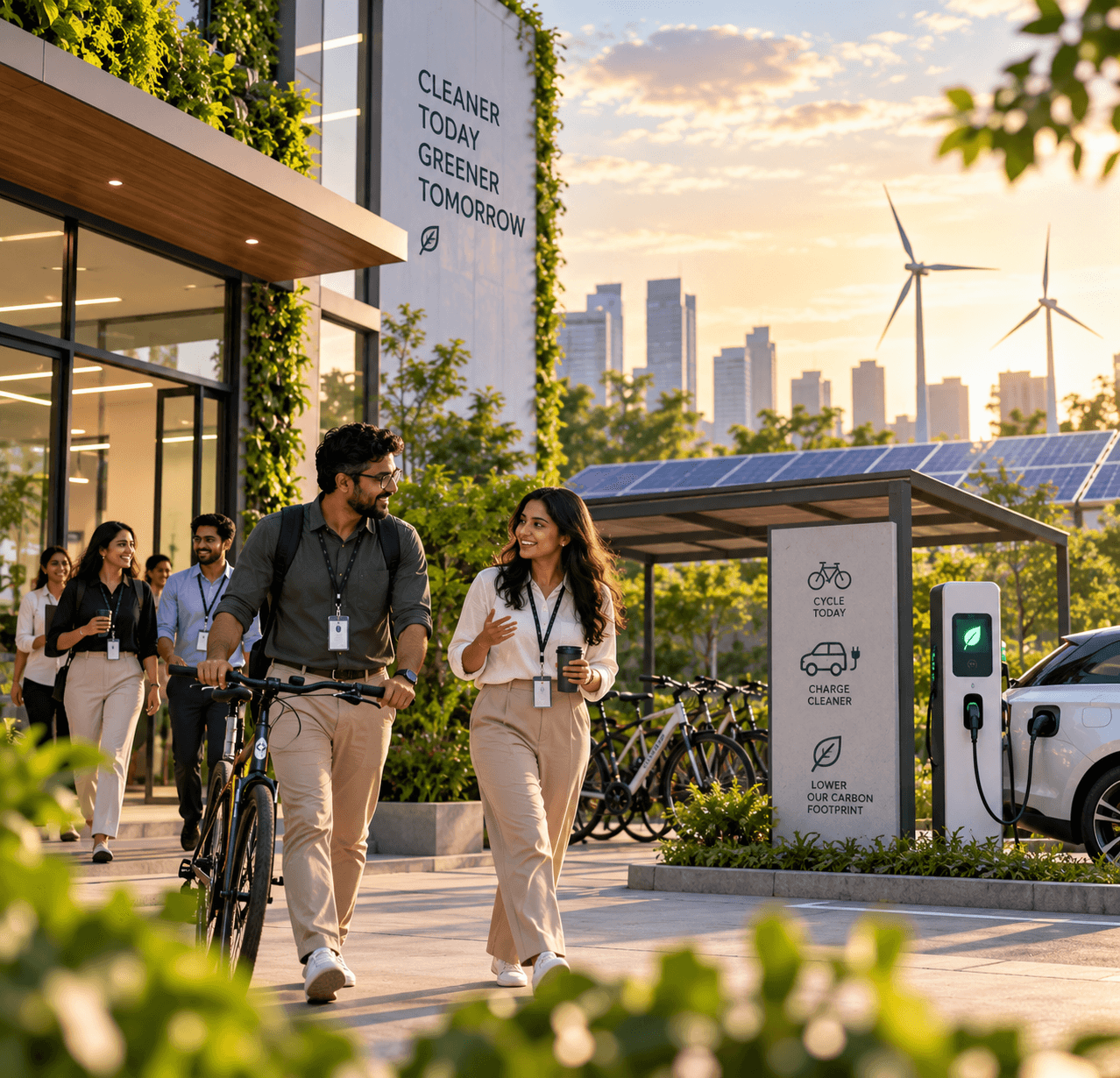
Carbon (GHG emission)
50% reduction in Carbon Intensity
Achieved13%
Target50%

Water Security
30% reduction in Specific Raw Water Consumption
Achieved29%
Target30%
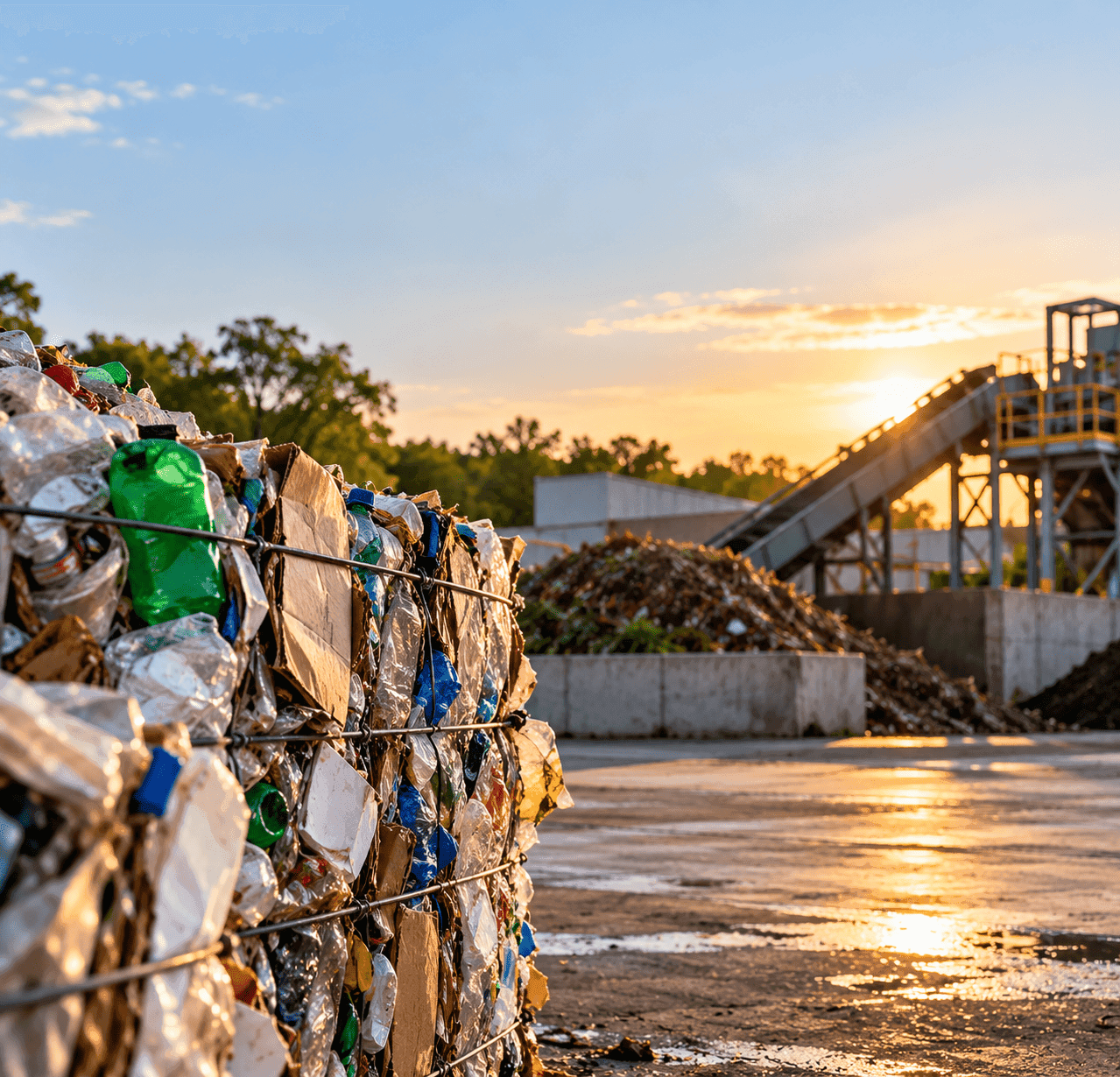
Waste Management
10% reduction in process waste
Achieved10%
Target11%

Occupational Health & Safety
Zero Fatality
Achieved1%
Target1%

Diversity & Inclusion
Gender Diversity – 20% women
Achieved19%
Target20%

Fair Workplace
Conform to Social Accountability Standard
Achieved100%
Target100%

Compliance Commitment
Continue to excel in ensuring full compliance for all regulatory norms and meeting stated customer requirements
Achieved100%
Target100%

Responsible Value Chain
Implementation of Supplier Code of Conduct
Achieved70%
Target100%

Digitalization & Sustainable Value Creation
Develop digitalization index
Achieved100%
Target100%
Every Number Has a Story Behind It
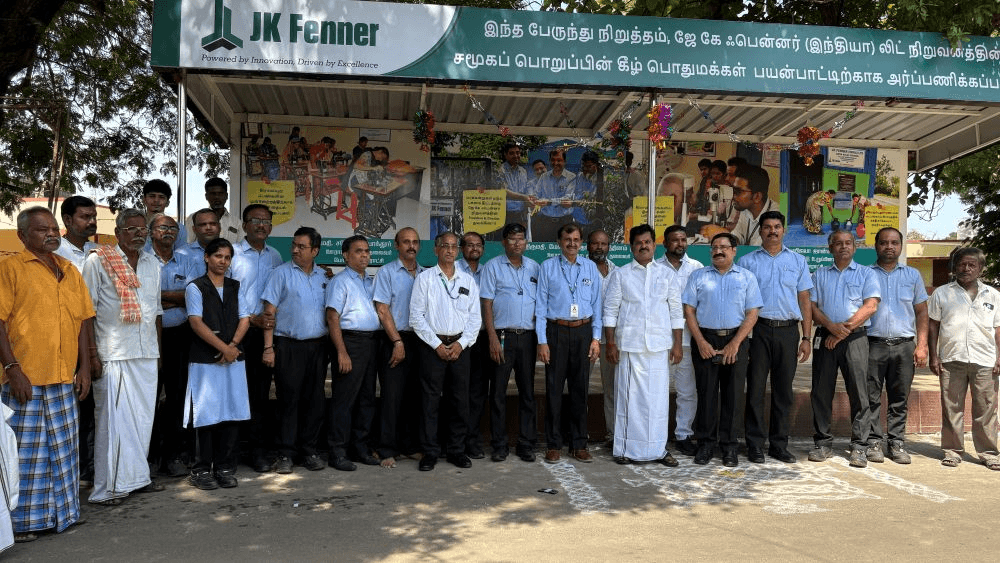
10th Aug 2026
Bus Shelter Construction
As part of our CSR initiatives for rural development, we constructed a bus shelter for the residents of Araneri Village, Ponthur Panchayat.
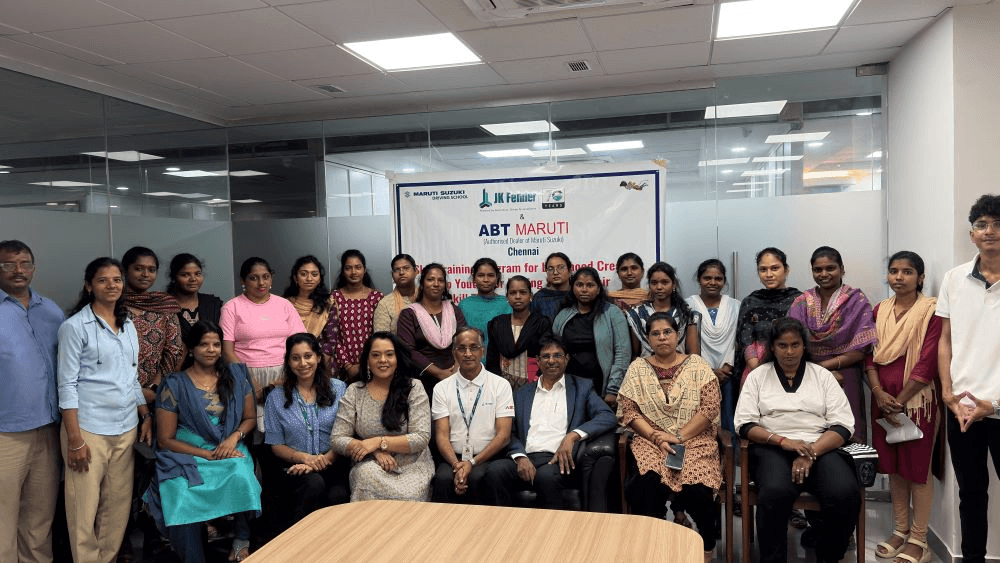
29th July 2026
Driving Skill training for Women
We created livelihood for women through driving skill training in association with Maruti Driving School.
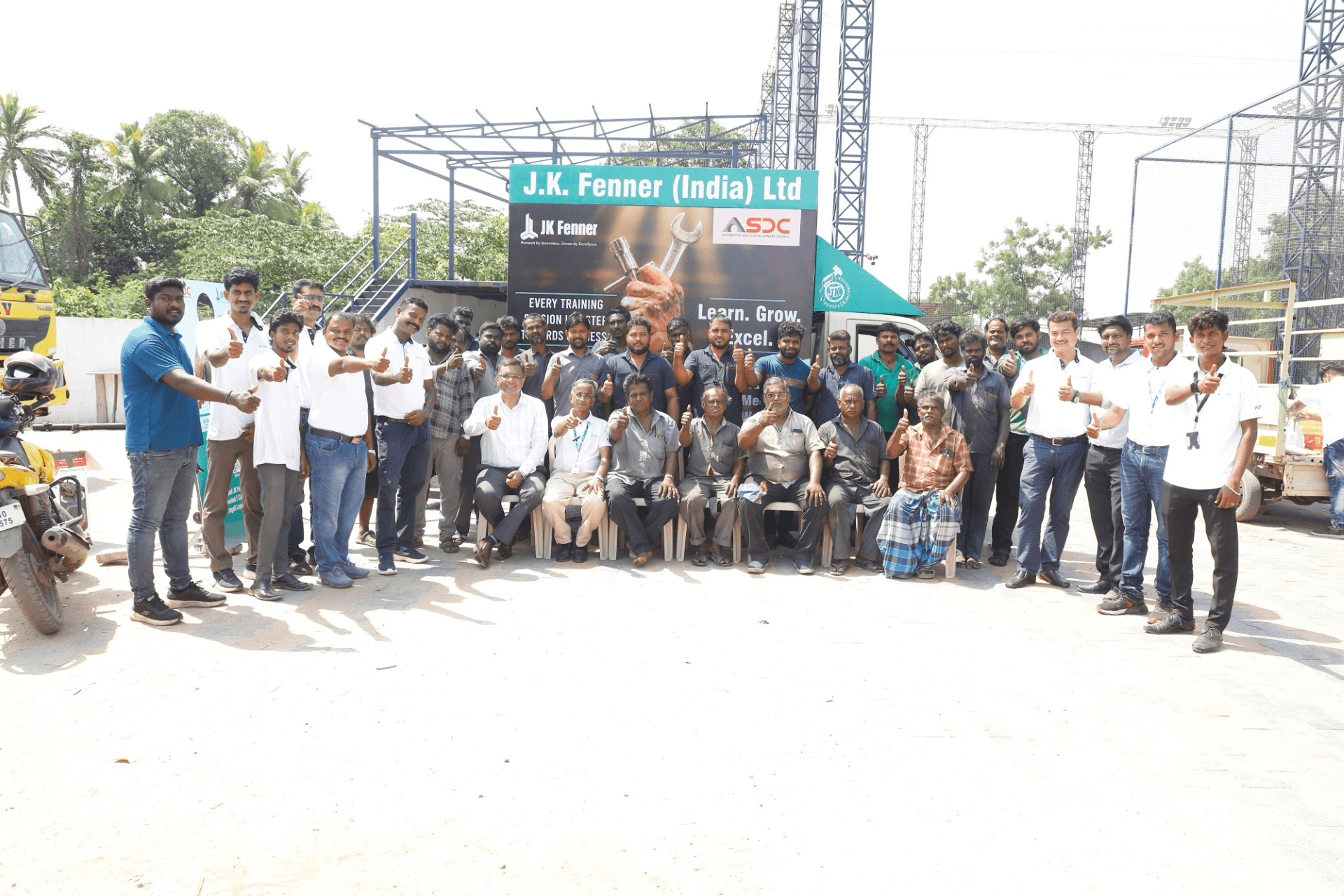
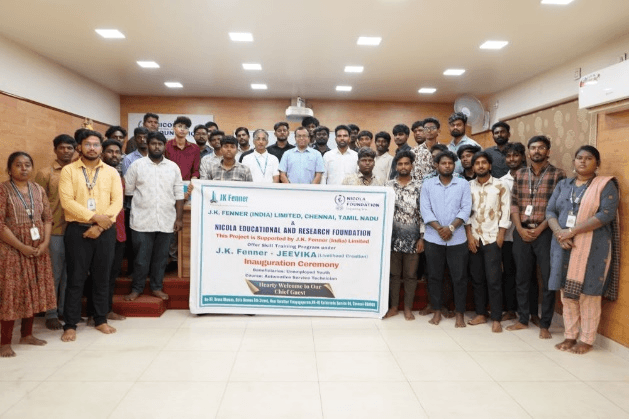
25th July 2026
Van Campaign Project
We had the participation of 36 mechanics from Poonamallee who were trained on commercial vehicle B6 diagnostics.
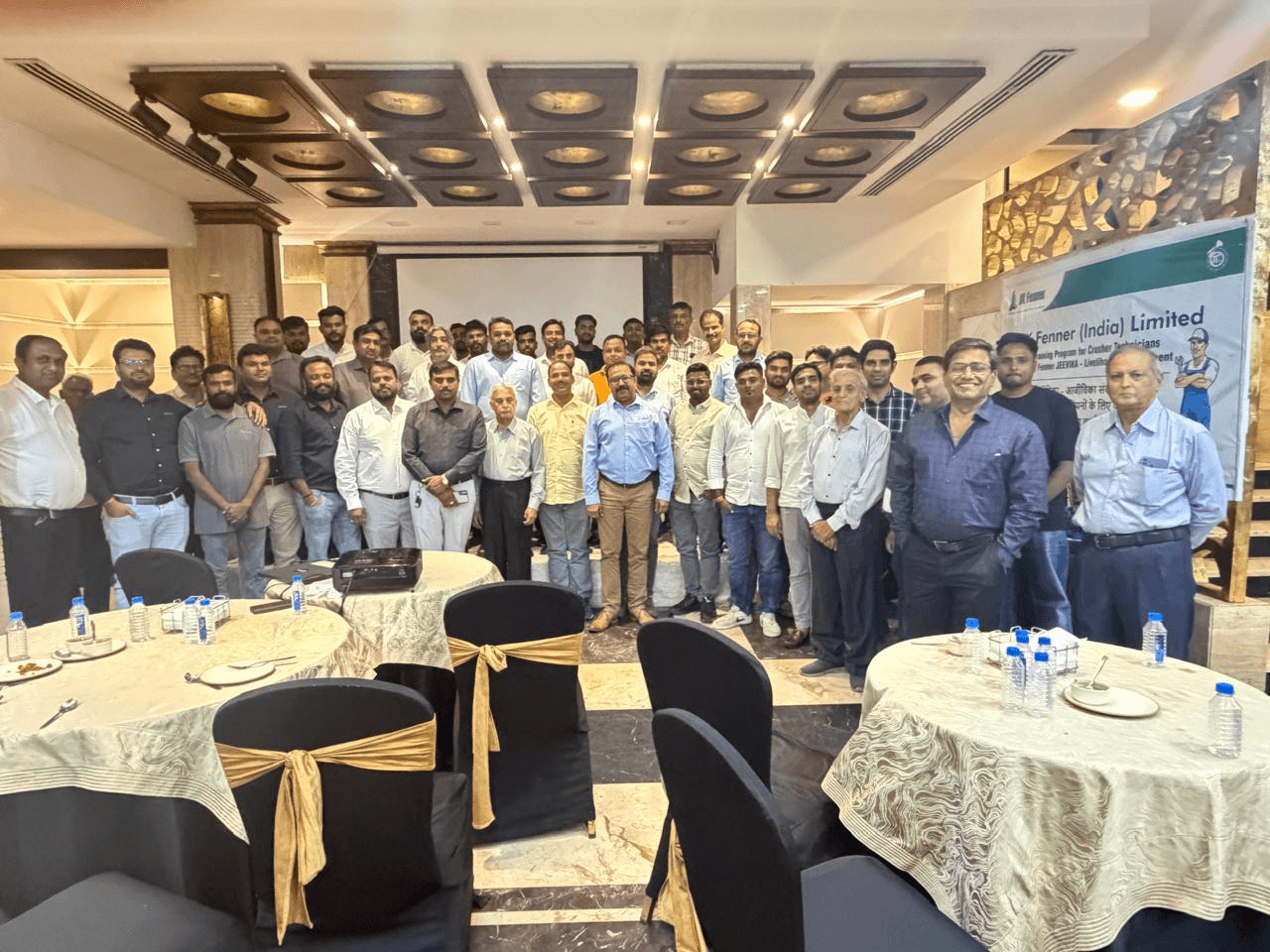
18th July 2026
UPS Support Programme
Technology and infrastructure support helped improve continuity for community institutions and local learning spaces.
12th July 2026
School Learning Support
Learning resources and infrastructure support helped strengthen everyday access to education in nearby communities.
Local Action. Connectedto Global Goals.
Our CSR priorities align with relevant United Nations Sustainable Development Goals, connecting community-level initiatives with broader global development priorities.






Standards That StrengthenOur Commitment
International certifications bring discipline to our ongoing actions, driving reliable and independently audited progress.
ISO 27001
Information Security Management System
ISO 9001
Quality Management System
ISO 14001
Environmental Management System
ISO 45001
Occupational Health and Safety Management System
IATF 16949
Automotive Quality Management
ISO 50001
Energy Management System
ISO 14064
Greenhouse Gas Management
ISO 26000
Social Responsibility
Awards & Recognitionfor Our Initiatives
Concrete engineering programs on the ground that translate our ESG pledges into audited emissions cuts, water conservation, and social value.
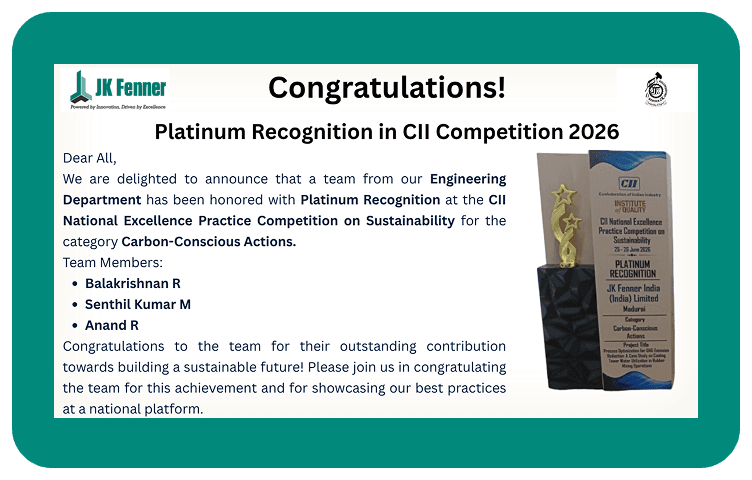
31st August 2026
Platinum Recognition in CII 2026
National Excellence Practice Competition on Sustainability for the category Carbon-Conscious Actions.
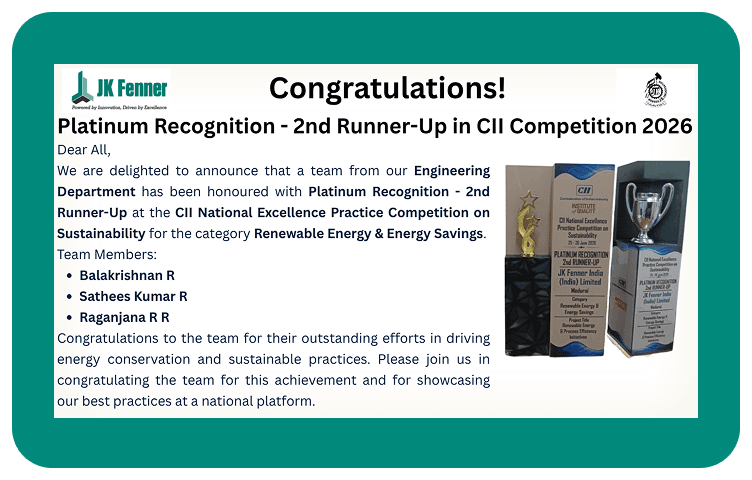
29th July 2026
2nd Runner up in CII 2026
On Sustainability for the category Renewable Energy & Energy Savings.
Our Performance,Documented
Explore our sustainability reports for detailed information on our ESG approach, initiatives, performance indicators and disclosures.
2026
Article ID : GRI Report
A report highlighting sustainability performance, environmental impact, social responsibility, and progress towards sustainability goals in line with GRI Standards.
Disclaimer
The information presented on this page reflects the company's current sustainability commitments and aspirations and may evolve in response to changes in business, regulatory and external factors, as well as stakeholder expectations. Forward-looking statements regarding our 2030 ESG targets are based on reasonable operational forecasts and ongoing capital investments.